
Explore Museums from anywhere
The Core Learning Framework

01. Learn to Make
Inspiring kids to explore VR tours and then guide them to create their own digital content

02. Make to learn
Encouraging hands-on creation and skill development through immersive, active engagement

03. share to care
A community gallery walk to foster empathy and global connection through peer collaboration
how it looks like in practice
Here is an example of an experience designed with MWW’s core learning framework, centered on the theme of "Future Frontiers," which utilizes space and technology artifacts to bridge the geographical gap for learners.
Theme: Space Exploration and Design
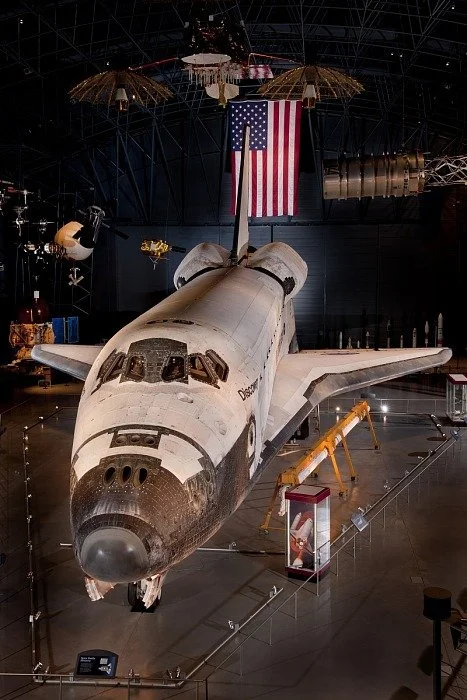
Artifacts Used: Apollo 11 Command Module, Armstrong Space Suit, and Space Shuttle Discovery
01. Learn to Make
In this initial stage, children use the MWW platform to conduct a "deep dive" into the Apollo 11 Command Module and the Armstrong Space Suit
• The Activity: Users explore the 3D models to identify specific design features required for survival—such as the textures of the space suit or the compact layout of the command module.
• The Goal: To transition from passive viewers to inspired observers. Children are prompted to ask: "If I were designing a suit for a mission to Mars, what materials from my own home would look like these textures?"
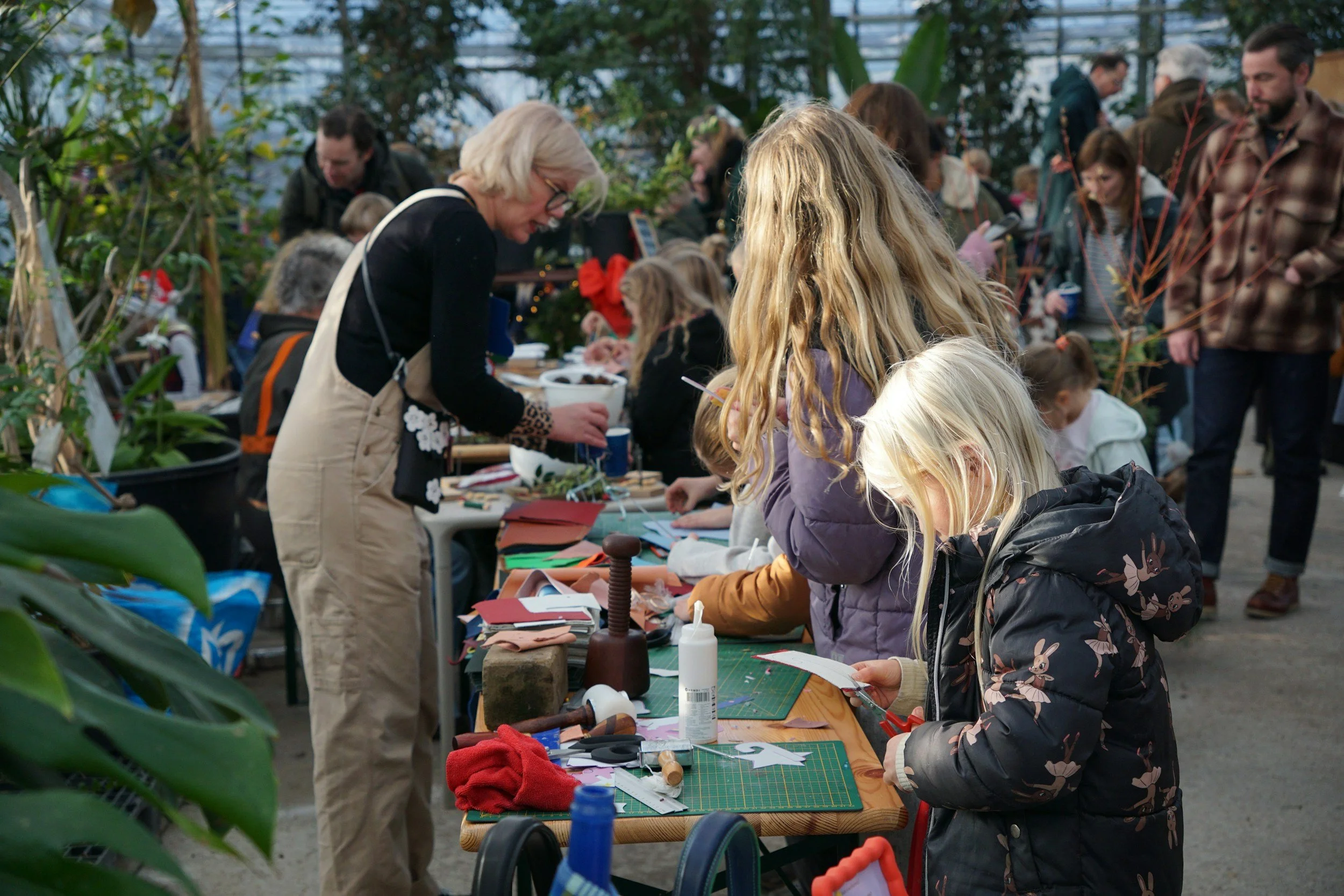
02. Make to Learn
This phase encourages hands-on experimentation.
• The Activity: Children are tasked with building a physical "Life Support Prototype" for a pet or a toy using household recycled materials (cardboard, foil, plastic).
• The Goal: By physically recreating the structural principles they observed in the Space Shuttle Discovery or the Apollo 11 module, they develop STEAM skills and a deeper understanding of engineering through the act of making
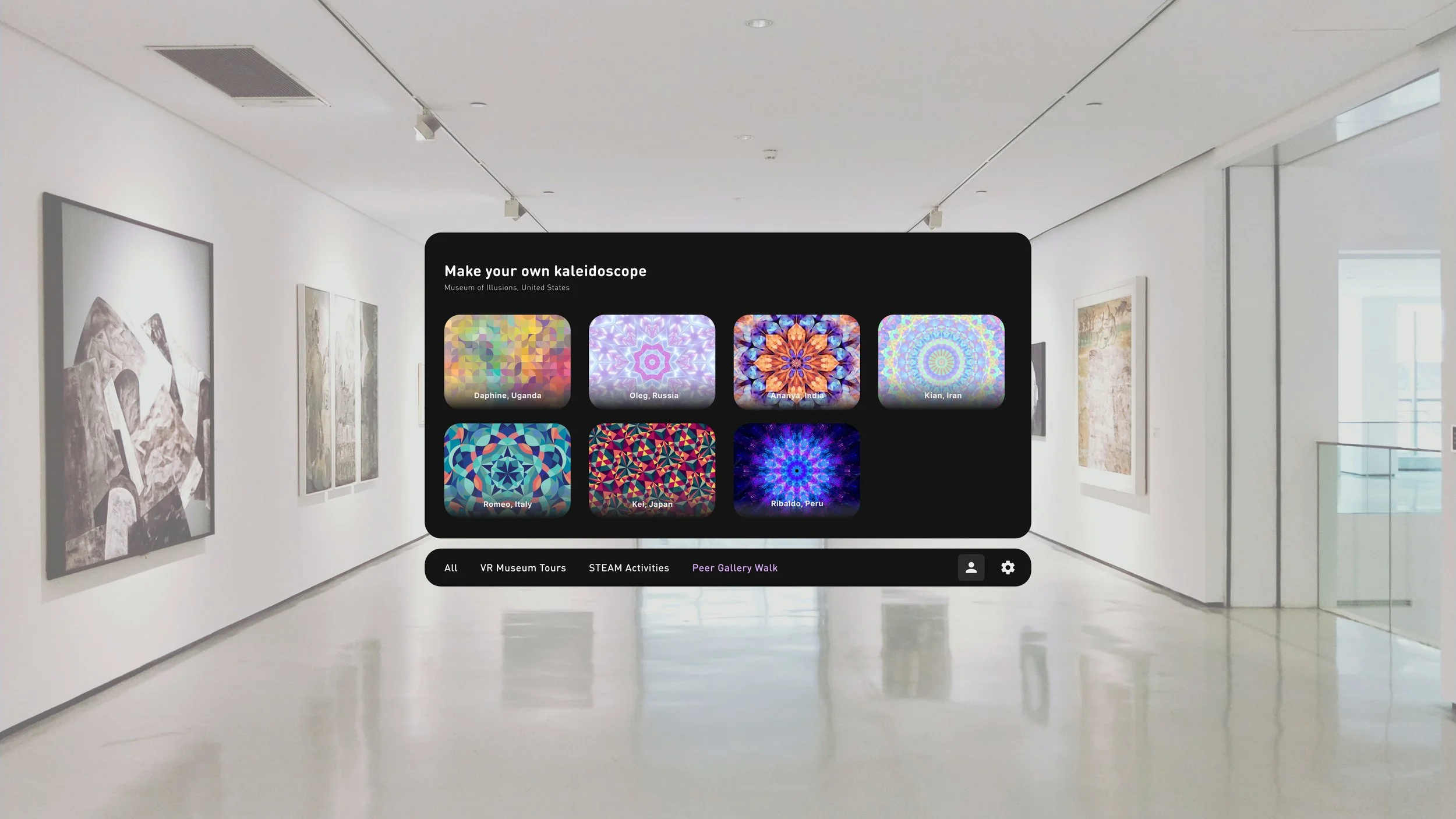
03. Share to Care
The final stage focuses on "Share to Care," turning a solitary learning experience into a collaborative community experience.
• The Activity: Students upload photos or 3D scans of their prototypes to the MWW Gallery. They participate in a "Virtual Gallery Walk" where they view projects from peers in different parts of the world.
• The Goal: This fosters global education equity and empathy. A child in a remote town can see how a peer in a city solved the same design challenge, creating a "culture of sharing" that celebrates diverse perspectives and creative solutions.
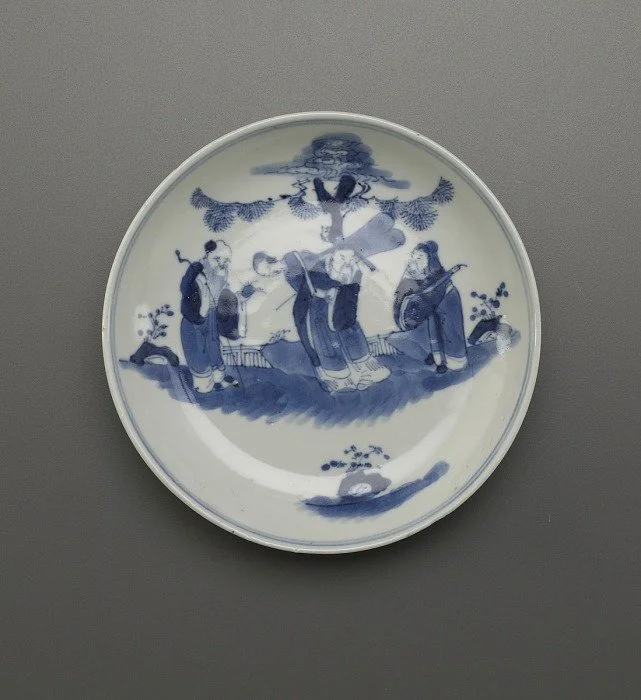
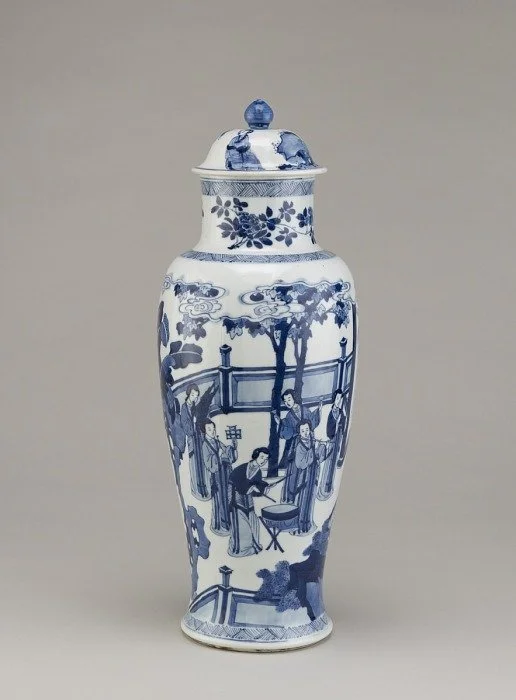
Museums Without Walls (MWW) is designed to be a "house full of ideas," a vibrant, participant-driven space for learning. We bridge the geographical gap by offering a variety of immersive, multi-device experiences that empower children to become active architects of their own learning.
What We Offer
VR Museum
Tours
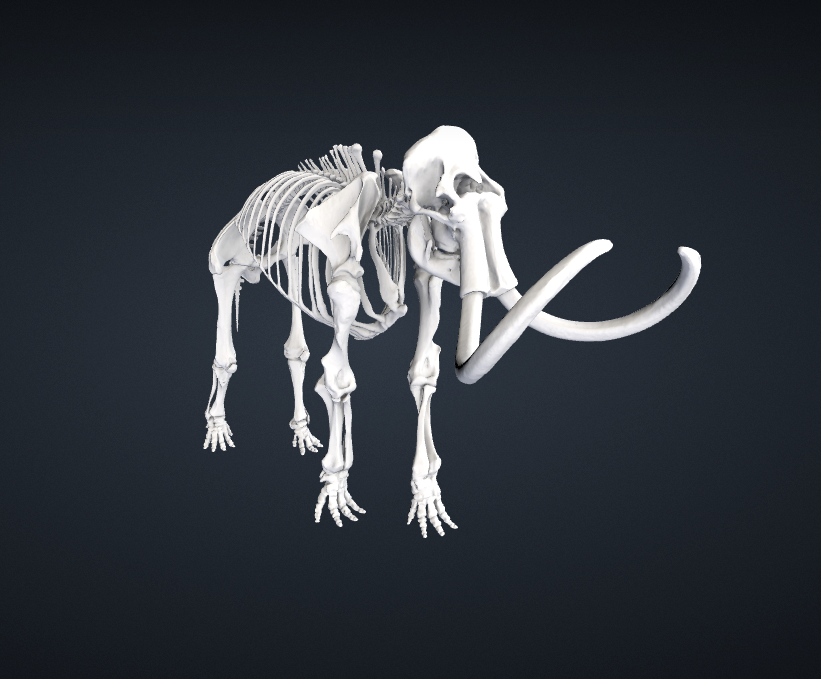
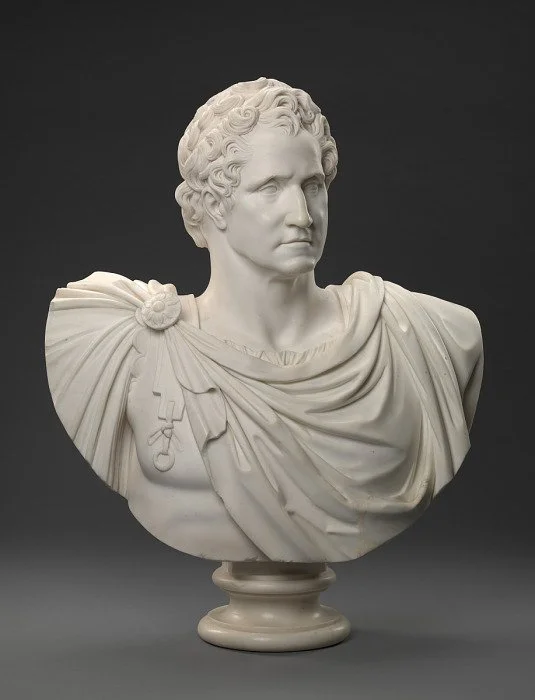
We provide a digital window into a variety of collections and curated galleries, ranging from space exploration to natural history. These tours are designed for choice and control, allowing students to explore whenever and wherever they want on any device, be it a high-end VR headset or a standard smartphone.
Curriculum-Aligned
Content
We provide structured learning pathways that treat "Museums as Classrooms," specifically tailored to meet diverse curriculum objectives. By moving away from "one-to-many" instruction, we offer content that encourages mental flexibility and critical enquiry.
Events &
STEAM Workshops
Our specialized virtual events leverage the web as an inherently social space to facilitate collaborative learning. These workshops move beyond passive viewing, allowing students to "solve problems together" across different schools and regions.
AR Flashcard
Explorer
Our AR Icebreaker Cards bring discovery-based learning to any environment. By scanning these physical markers with a mobile device, students can instantly reveal and interact with 3D models. This makes the museum journey personal and engaging.